Tap here


Many people assume fat loss and frequent restaurant meals can't coexist, especially during summer. In reality, body fat is determined by long-term energy balance rather than where food is eaten. Eating out every weekend can fit into a successful fat loss plan if the rest of the week supports your calorie goals. The biggest challenge isn't restaurants themselves, but the habits that often come with them, including alcohol, oversized portions, desserts, and unplanned snacking.

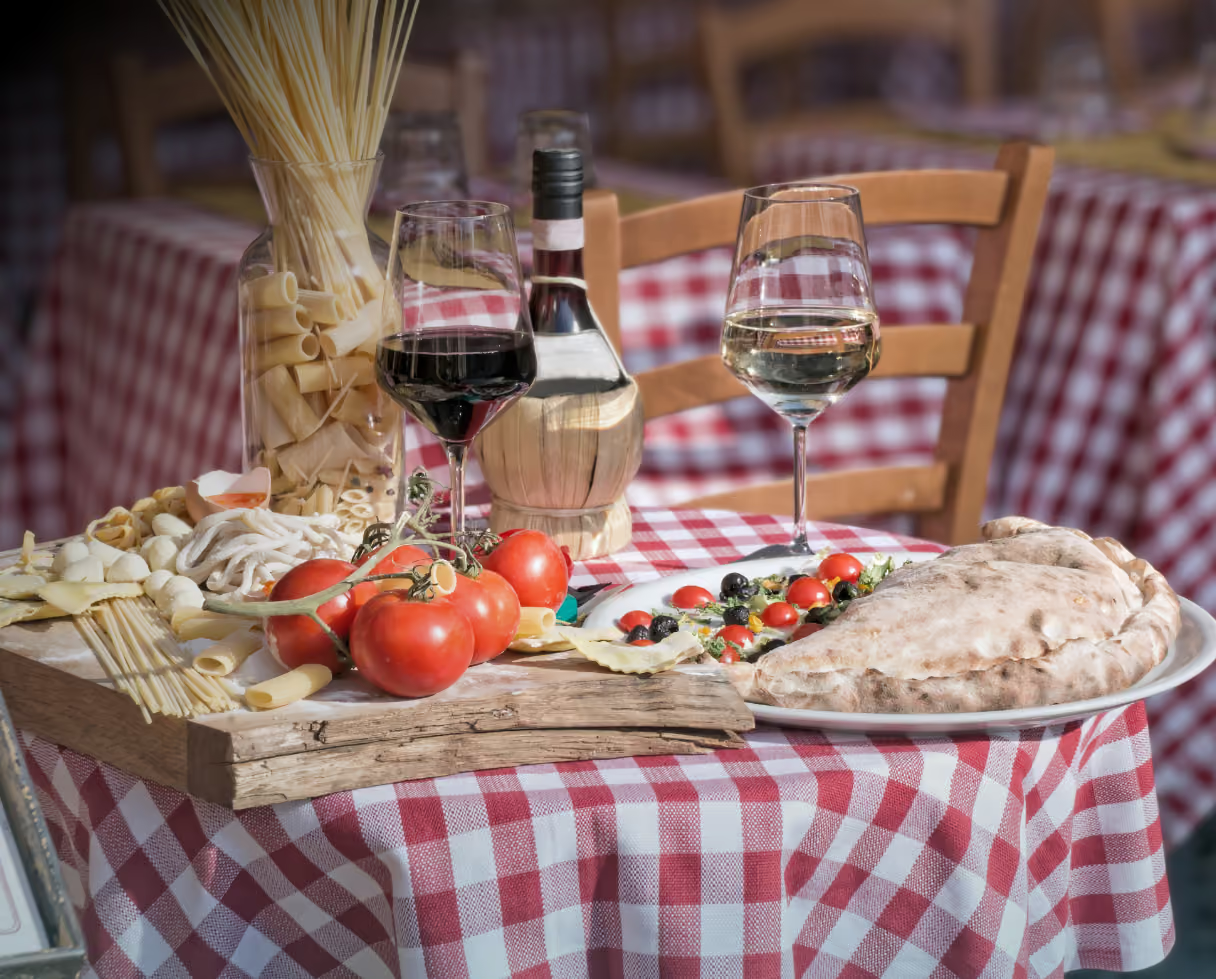
Summer creates a different eating routine...
For many people, summer looks completely different from the rest of the year.
Weekends become busier.
Vacations interrupt routines.
Friends suggest dinner on the patio.
Families organize barbecues.
Travel becomes more frequent.
Restaurant meals naturally become part of life.
This often creates the belief that fat loss has to be put on hold until autumn.
Fortunately, that's not how body fat regulation works.
One meal has very little influence on long-term body composition.
Fat loss is driven by your average calorie balance over weeks and months, not by what happens on a single Saturday evening.
If you maintain a calorie deficit across the week, one restaurant dinner is unlikely to erase your progress.
Problems usually arise when one meal turns into an entire weekend of overeating.
Many people think they only indulge on Saturday.
In reality, the pattern often starts on Friday evening.
It continues through Saturday.
Then comes Sunday brunch.
A family dinner.
Dessert after dinner.
Drinks in the evening.
By Monday morning, calorie intake has been substantially higher for three consecutive days.
If this happens every weekend, it can completely offset the calorie deficit created during the week.
Most restaurants prioritize taste, presentation, and value.
That usually means:
Larger portions.
More cooking oil.
Extra butter.
Rich sauces.
Generous amounts of cheese.
Added sugar.
Even meals that appear healthy often contain significantly more calories than homemade versions.
This doesn't mean restaurants should be avoided.
It simply means portion sizes deserve more attention than many people give them.
Alcohol contributes calories.
But its indirect effects are often even larger.
After a few drinks, people tend to:
Order appetizers they hadn't planned.
Share desserts.
Eat later into the evening.
Snack again after getting home.
Drink sugary beverages.
Sleep less.
Skip the gym the following day.
One decision often triggers several others.
Not every menu item affects hunger in the same way.
Meals built around lean protein tend to increase fullness more than meals based primarily on refined carbohydrates or fried foods.
Choosing grilled chicken, fish, lean steak, or seafood as the centerpiece of a meal often makes it easier to avoid excessive snacking later.
Adding vegetables and potatoes or rice usually creates a more balanced meal than relying on fries and appetizers alone.
One common strategy is skipping breakfast and lunch before a restaurant dinner.
While this can work for some people, it often creates intense hunger by the evening.
That hunger makes oversized portions much more likely.
Many nutrition professionals instead recommend eating lighter, protein-rich meals during the day while still maintaining normal meal timing.
Arriving moderately hungry rather than starving usually leads to better food choices.
Restaurant portions are often much larger than necessary.
Sharing appetizers.
Splitting desserts.
Ordering one side dish instead of two.
These simple choices reduce calorie intake without making the experience feel restrictive.
Many people find they enjoy the meal just as much while eating considerably less.
Some people eat carefully from Monday to Friday.
Then they completely abandon structure on the weekend.
This creates an endless cycle of progress followed by reversal.
A more sustainable approach is maintaining similar eating habits throughout the week while allowing room for occasional flexibility.
Consistency usually matters far more than perfection.
Summer evenings naturally encourage movement.
A walk after eating won't erase a large meal.
However, it can modestly increase energy expenditure while also supporting digestion and blood glucose regulation.
More importantly, it reinforces an active lifestyle rather than turning every meal into a sedentary event.
The concept of cheat days remains popular.
Research doesn't suggest they're necessary for fat loss.
For many people, labeling one day as a complete break from healthy eating simply encourages overconsumption.
A flexible eating pattern generally produces better long-term adherence.
Restaurant meals can fit into that flexibility without becoming all-day eating events.
One of the most helpful ways to think about fat loss is across the entire week.
Imagine someone creates a moderate calorie deficit from Monday through Friday.
If Saturday includes one higher-calorie restaurant meal but the rest of the weekend remains reasonably balanced, weekly progress can continue.
On the other hand, several unrestricted meals, alcohol, desserts, and constant snacking may eliminate that weekly deficit completely.
The goal isn't to avoid restaurants.
It's to prevent one enjoyable meal from becoming an entire weekend of overeating.
The people who maintain their progress during summer usually don't rely on willpower.
They simply plan ahead.
They know where they're going.
They check the menu beforehand.
They prioritize protein.
They stay hydrated.
They enjoy the meal.
Then they return to their normal routine at the next opportunity.
Using a calorie calculator can help estimate your daily calorie needs, while the macronutrient calculator can make it easier to plan meals that support fat loss without avoiding social occasions.
You don't have to choose between enjoying summer weekends and losing body fat. Restaurant meals themselves are not the problem. What matters is how they fit into your overall calorie intake across the week. Paying attention to portions, limiting liquid calories, prioritizing protein, and returning to your normal eating habits after social events is often enough to continue making steady progress. Sustainable fat loss isn't built on perfect weekends. It's built on consistent habits over months, even when life becomes more social.
Források:


Get in Shape Fast! Try our 90-Day Summer Shape Course for FREE! Effective workout plans, recipes, diet tips, and coaching support await you!


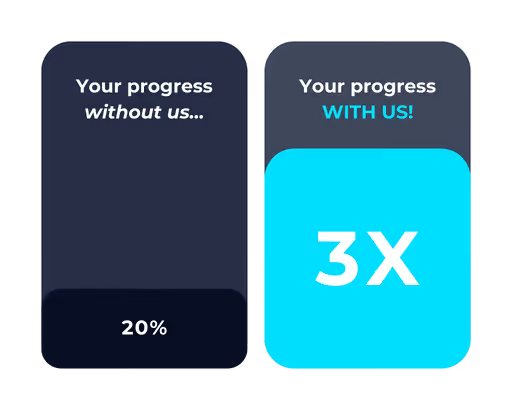
You Can Transform Too with Us! Thousands of people worldwide are transforming and achieving their dream bodies with the GetFIT App. Join them and start your transformation today!
Continuous Progress, Maximum Results! Our Premium Membership is updated regularly new recipes, guides, and features, ensuring you always get the best support to achieve your goals!

.webp)
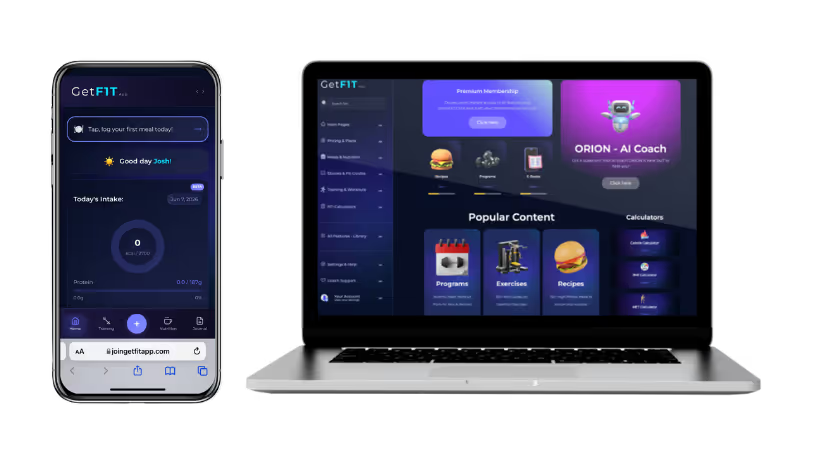
Discover the premium features of the GetFIT App during a free trial: personalized calorie calculation and tracking, AI assistant, recipes, workout programs, e-books, and much more. Start your progress today.
.webp)
Start your free trial today! With your premium membership, you’ll get immediate access to all the tools and content that help you lose weight, build muscle, and develop a healthy lifestyle.

Your data is protected by SSL/TLS encryption.
































.png)