Diet-Friendly, Easy Homemade Sushi
🔥
134
kcal
🥩
16,8
g
ml
🥔
12,4
g
ml
🫒
3,6
g
ml
This diet-friendly and easy homemade sushi recipe is a modern fitness adaptation of Japanese culinary traditions, containing 16.8g of protein per 100 grams with just 134 calories.
The glycemic index is 48, thanks to the combination of shirataki rice and fresh fish. Preparation time: 45 minutes prep + 25 minutes cooking, difficulty level: medium. The history of sushi dates back to the 8th century in Japan, where it originally served as a method of fish preservation.
This modern adaptation retains authentic Japanese techniques and flavors while optimizing the macronutrient profile. Blending shirataki rice with traditional sushi rice reduces calories and carbohydrates by 40%. The fresh fish is rich in omega-3 fatty acids and provides a complete amino acid profile. Nori seaweed is a superfood rich in iodine and vitamins.
The light version of surimi adds extra protein with a low calorie count. Avocado provides healthy fats, while cucumber adds freshness and fiber. This meal-prep-friendly sushi keeps for 2-3 days in the refrigerator with proper storage.

.svg)




For the sushi rice:
- 200g sushi rice (short-grain, Japanese quality)
- 100g shirataki rice (rinsed and drained)
- 30ml rice vinegar (mirin-based)
- 10g erythritol (crystalline)
- 3g sea salt
For the fish and filling:
- 300g fresh salmon fillet (sushi/sashimi grade)
- 200g fresh tuna fillet (sushi/sashimi grade)
- 150g surimi crab sticks (light version)
- 100g avocado (ripe, soft)
- 80g cucumber (Japanese or English)
- 50g nori seaweed sheets (sushi quality)
- 30ml soy sauce (low sodium)
- 10g wasabi paste (fresh or powdered)
- 15g pickled ginger (gari)


Homemade Sushi Preparation:
- Step 1: Rinse the sushi rice in cold water until the water runs clear.
- Step 2: Cook the rice in a 1:1.2 ratio with water, covered, for 18 minutes.
- Step 3: Let it stand for 10 minutes, then fold in the vinegar, erythritol, and salt.
- Step 4: Rinse and drain the shirataki rice, then mix it into the sushi rice.
- Step 5: Allow the rice mixture to cool to room temperature.
- Step 6: Using a sharp knife, cut the fresh fish into even, 1 cm thick slices.
- Step 7: Cut the avocado and cucumber into thin, long strips.
- Step 8: Prepare your work surface with a bamboo sushi mat.
- Step 9: To make nigiri, shape small rice balls with wet hands.
- Step 10: Place a slice of fish onto each rice ball.
- Step 11: To make maki, lay a nori sheet on the mat.
- Step 12: Spread a thin layer of rice onto the nori sheet, leaving a 2 cm border at the edges.
- Step 13: Place the filling (fish, avocado, cucumber) in the center of the rice.
- Step 14: Roll up tightly using the mat, moistening the edges to seal.
- Step 15: Cut into 2 cm thick slices using a sharp knife and serve.

Can I eat this Homemade Sushi recipe if I want to lose weight?
Yes, this homemade sushi is excellently suited for a weight-loss diet! The high protein content (16.8g/100g) significantly enhances the thermic effect and provides a long-lasting feeling of fullness. Blending shirataki rice with traditional sushi rice reduces calories and carbohydrates by 40%.
The omega-3 fatty acids in fresh fish support metabolism and reduce inflammation. The iodine content in nori seaweed supports thyroid function and metabolism.
The healthy fats in avocado improve nutrient absorption and enhance satiety. In total, it's 134 kcal/100g, which is extremely low for such a rich and satisfying meal. The high protein and low calorie content stabilizes blood sugar levels and prevents hunger pangs. A full serving (280g) amounts to roughly 375 calories, which is an ideal quantity for a main course.
The nature of sushi allows for precise portion control. You can eat any food during a weight-loss diet, as long as it fits within your daily calorie allowance. With the GetFIT App, you can track your daily calorie intake very easily and gain full access to all our recipes, workout plans, programs, and everything else.
Can I eat this Homemade Sushi Recipe if I want to build muscle?
Absolutely, this homemade sushi is an exceptional supporter of muscle-building goals!
The 16.8g/100g protein content is an excellent value and is particularly valuable as a post-workout meal. A full serving (280g) contains roughly 47 grams of protein, which contributes significantly to your daily protein requirement. The fresh salmon and tuna provide a complete amino acid profile with all essential amino acids.
The EPA and DHA omega-3 fatty acids have natural anti-inflammatory effects, aiding post-exercise recovery. Surimi crab sticks provide extra protein with a low calorie count. Nori seaweed is rich in B vitamins, which support energy metabolism. The complex carbohydrates in the rice help replenish glycogen stores after a workout. Selenium and iodine support thyroid function and hormone production. The creatine content in the fish naturally supports muscle strength and performance.
High protein intake is important for muscle building, and this sushi is a great way to supplement your protein needs with authentic Japanese flavors. Our application, the GetFIT App, calculates how much protein you need and makes it very easy to track your daily calorie intake, protein intake, and nutrient intake.
Is this Easy Sushi Recipe healthy?
This recipe is an exceptionally healthy choice for a balanced diet! Fresh salmon and tuna are rich in omega-3 fatty acids, which support heart and brain health and reduce inflammation. Nori seaweed is a natural source of iodine, which supports thyroid function and metabolism. Shirataki rice contains prebiotic fibers that support digestive system health. Avocado contains healthy monounsaturated fats and vitamin E, which has an antioxidant effect.
Cucumber has a hydrating effect and is rich in vitamin K. Fish is rich in vitamin B12, which supports nervous system function and energy metabolism. Selenium is a powerful antioxidant that protects cells from oxidative stress. Rice vinegar has a probiotic effect and can help regulate blood sugar levels. The recipe is low in saturated fat and free from processed additives. The high protein and low calorie content supports a healthy body weight and muscle mass.
The variety of seafood and vegetables provides a significant portion of your daily vitamin and mineral requirements. The authentic Japanese preparation methods preserve nutrients and natural flavors.
How many calories are in our Diet Sushi Recipe, and how much better is it compared to the usual version?
This homemade sushi contains 134 calories per 100 grams, a significantly low value for such a rich and satisfying Japanese dish. Compared to traditional restaurant sushi versions, this contains 30-40% fewer calories, primarily due to the use of shirataki rice. The largest portion of calories (about 50%) comes from the fresh fish, which provides high-quality protein and omega-3 fatty acids.
The rice combination accounts for about 35% of the calories, providing complex carbohydrates. The avocado and vegetables together contribute 10%, providing healthy fats and vitamins. The nori seaweed and seasonings account for only 5% but significantly increase the nutrient density. A full serving (280g) amounts to roughly 375 calories, an ideal quantity for a main course.
Compared to restaurant sushi servings, this is 200-400 fewer calories per serving. The high protein and low calorie content ensures long-lasting energy and a feeling of fullness. Monitoring your calorie intake is fundamental to a healthy lifestyle, whether your goal is weight loss, building muscle, or general well-being.
Where can I obtain sushi-grade fish for this homemade sushi recipe?
You can obtain sushi-grade fish at specialty fishmongers, Asian grocery stores, or larger hypermarkets.
The fish should have a "sushi grade" or "sashimi grade" certification, which means it is suitable for raw consumption. Freshness is key – the fish's eyes should be clear, its skin shiny, and its smell should be sea-like, not "fishy." Frozen sushi-grade fish is also suitable and is often even safer, as freezing destroys parasites. When purchasing, ask the fishmonger if the fish is suitable for raw consumption.
For tuna, a light pink or red color is a sign of freshness. For salmon, an orange-pink color and a soft yet springy texture are ideal. Always process the fish on the day of purchase and keep it continuously refrigerated.
Is it possible to prepare this fitness sushi recipe in advance for meal prep purposes?
Sushi is suitable for meal prep, but you must follow a few rules! The rice base can be prepared in advance and stored in the refrigerator for 2-3 days.
For safety reasons, only process the fish fresh and consume it immediately. Maki rolls can be made in the afternoon and consumed in the evening, but they are no longer safe the next day. Vegetables can be stored separately and added upon assembly. Freezing is not recommended, as the texture of the rice changes and the nori seaweed becomes rubbery.
For meal prep purposes, we recommend a poke bowl style instead – storing the rice, fish, and vegetables separately. Storing the wasabi and ginger separately preserves their freshness. Vacuum packaging can extend shelf life by 1-2 days. It's best to make the sushi fresh, but you can prepare the components ahead of time.
What vegetarian and vegan alternatives can be used to make this diet sushi recipe?
There are numerous plant-based alternatives you can use to replace the fish! Excellent nigiri can be made with marinated tofu slices soaked in soy sauce and mirin.
Avocado maki is the most popular vegetarian choice, rich in healthy fats. You can make a colorful and crunchy roll with cucumber, carrot, and bell pepper slices. Grilled eggplant or zucchini slices can add a smoky flavor. Shiitake mushroom slices can provide an umami taste.
Vegan "fish" substitutes made from algae are becoming increasingly available. Sun-dried tomatoes and capers add Mediterranean flavors. Mango slices create a sweet-sour combination. Sprouts and micro basil add freshness and nutrients. All vegetarian versions require extra seasoning to enhance the flavors. Nori seaweed is naturally vegan and rich in iodine.
How can you safely prepare raw fish at home for this sushi recipe?
The safe preparation of raw fish requires strict hygiene! Always purchase sushi-grade fish from a reliable source.
Wash your hands thoroughly and clean all surfaces you will be using. Use a sharp, clean knife and a cutting board reserved exclusively for fish. Remove the fish from the refrigerator 30 minutes before cutting to allow it to come to room temperature. Cut against the grain using quick, decisive motions.
Pat the surface of the fish dry with a paper towel to remove excess moisture. Never rinse the fish with water before cutting, as this spoils the texture. Process the cut fish immediately; do not leave it at room temperature. Leftover fish should not be re-used for sushi making. Clean the cutting tools and surfaces immediately with hot, soapy water.
What types of nori seaweed can be used for this homemade fitness sushi recipe?
You can choose from several types of nori seaweed for your project! Standard sushi nori sheets are the most common and are ideal for beginners. Premium nori sheets are darker green and have a more intense flavor.
Yakinori are pre-toasted varieties that are crispier and more aromatic. Organic nori sheets are free from chemicals and are more sustainable. Wasabi-flavored nori sheets add extra spiciness.
Sesame nori sheets lend a nutty taste. Low-sodium nori is a healthier choice. Korean kim seaweed sheets offer a different texture and flavor. Each nori type has a different iodine and mineral content. Quality nori sheets are flexible and won't break apart during rolling. Store nori sheets in a dry place to maintain their crispness. Seal opened packages airtight.
Lose weight with us without hunger or deprivation!
One of the biggest challenges of sustainable weight loss is adapting exotic and beloved foods healthily without sacrificing authentic flavors, and this homemade sushi is a perfect example of how to enjoy Japanese culinary traditions in a fitness-friendly way.
Among the hundreds of recipes in the GetFIT App, you'll find numerous creative adaptations of Asian and international dishes, all developed to provide an authentic taste experience with an optimal nutrient profile. Each one of our exotic recipes is scientifically grounded and has precise macronutrient data, so you'll always know what you're consuming and how it fits into your weight loss goals. Our integrated calorie tracker automatically calculates your needs and provides intelligent suggestions for optimal results, also taking your cultural food preferences into account.
With the GetFIT App, you can learn how to transform your favorite exotic foods into high-protein, low-calorie versions that are not only authentic and delicious but also actively support weight loss, muscle building, and your overall health.
Join us below the recipe and try it for free!


Everything You Need for a Fitter Body is here in GetFIT App!
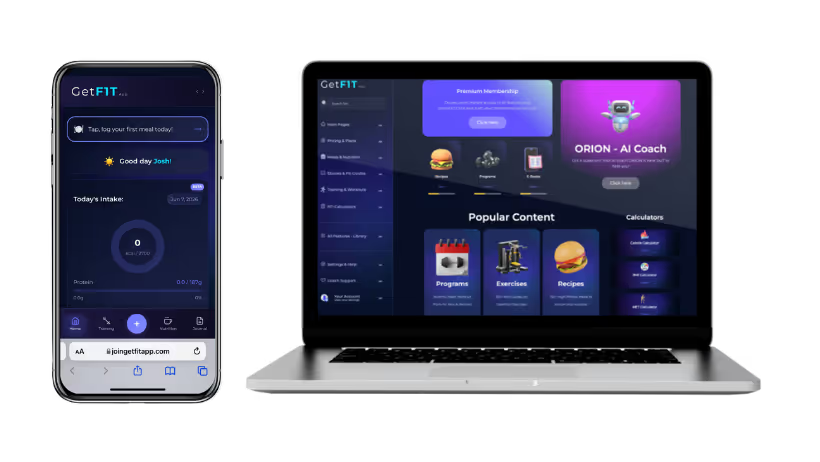
Set calorie and macro goals, track your meals and activity, follow structured workout and meal plans, and monitor your progress over time. GetFIT App brings nutrition tracking, fitness planning, and everyday tools together in one simple membership.

High-Protein Recipes & Meal Plans
Discover hundreds of high-protein recipes, ready-made 4 week meal plans, and healthy meal ideas for weight loss and muscle building. Every recipe includes clear calorie and macro information, so eating for your goals is simple.



Join Thousands of GetFIT App Users Worldwide
Thousands of people around the world have already joined GetFIT App to track their nutrition, follow workout programs, and work toward their fitness goals. Join our growing global community and get the tools you need to manage your fitness journey in one place.
Track Your Calories, Macros, Weight, Workout & Progress with GetFIT App!
Track your daily calories and macros, log your workouts, monitor your weight and measurements, and see your progress over time. GetFIT App puts everything you need to stay on track in one place.
.webp)
Try GetFIT App for 5 days free!
Discover the premium features of the GetFIT App during a free trial: personalized calorie calculation and tracking, meal plans, recipes, workout programs, e-books, and much more. Start your transformation today!
.webp)
Dear User! Unlock your Dream Body Today!
Start your free trial today! With your premium membership, you’ll get immediate access to all the tools and content that help you lose weight, build muscle, and develop a healthy lifestyle.














































.png)