In this blog, we’ll break down the Face Pull exercise – one of the most effective movements for building upper back strength, improving posture, and preventing injuries.
Plus, we’ll discuss how you can integrate it into your fitness routine, especially if you're looking to lose weight, build muscle, or achieve overall health.
We’ll help you hit your fitness goals faster – and smarter!

The Face Pull exercise targets the muscles in your upper back, primarily the rear deltoids, traps, and rhomboids. But why does this matter?
Here’s the thing: Most people spend their days hunched over desks or looking at screens, causing a forward head posture and tight chest muscles. This poor posture often leads to back pain, limited mobility, and muscular imbalances. The Face Pull is one of the best exercises to counteract these issues. It strengthens the muscles responsible for pulling your shoulders back, improving posture, and increasing overall shoulder health. This exercise also helps reduce the risk of injury, especially if you're lifting weights or performing overhead presses.
But how do you perform the Face Pull correctly? Let’s dive into the details.
Even though Face Pulls are a great exercise, they come with some common challenges. Let’s address a few of them:
It’s not uncommon to feel like you’re not targeting the right muscles, especially when doing Face Pulls. To fix this, make sure your elbows are flaring outward and you’re externally rotating your shoulders as you pull. Focus on squeezing your shoulder blades together at the top of the movement.
Quick Tip: Try slowing down the movement and holding the contraction at the peak for 1-2 seconds. This will help engage the rear delts and upper back muscles more effectively.
Many people experience discomfort in their neck or shoulders when performing Face Pulls. This usually happens when you're not maintaining proper posture or engaging the core.
Quick Tip: Keep your chin tucked in, your core engaged, and avoid shrugging your shoulders up towards your ears. Focus on pulling with your upper back, not your arms or neck.
If you feel like you’re swinging or jerking the rope rather than performing a controlled movement, it’s time to scale back on the weight.
Quick Tip: Use a lighter weight to focus on mastering the form before increasing the load. A slow and controlled movement will give you better results than a faster, sloppier one.



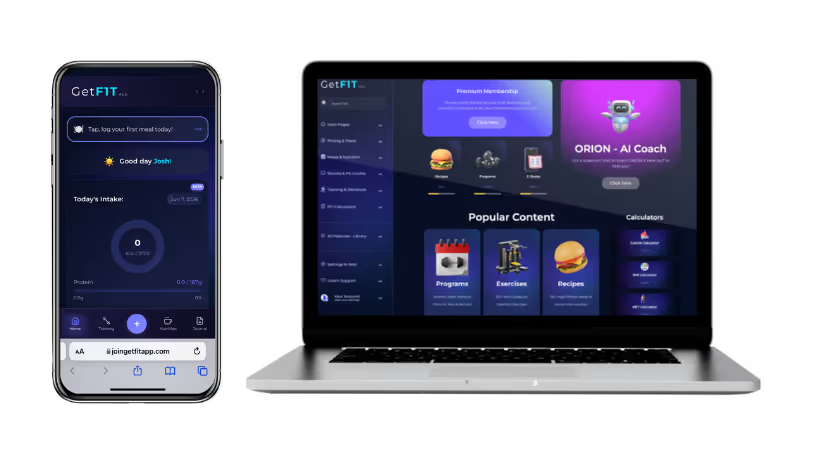
Set calorie and macro goals, track your meals and activity, follow structured workout and meal plans, and monitor your progress over time. GetFIT App brings nutrition tracking, fitness planning, and everyday tools together in one simple membership.
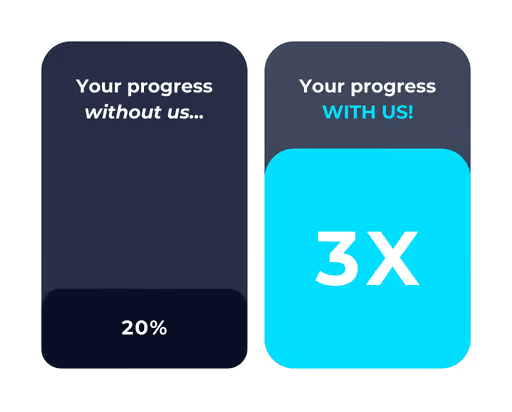
Thousands of people around the world have already joined GetFIT App to track their nutrition, follow workout programs, and work toward their fitness goals. Join our growing global community and get the tools you need to manage your fitness journey in one place.
Track your daily calories and macros, log your workouts, monitor your weight and measurements, and see your progress over time. GetFIT App puts everything you need to stay on track in one place.

.webp)
Discover the premium features of the GetFIT App during a free trial: personalized calorie calculation and tracking, meal plans, recipes, workout programs, e-books, and much more. Start your transformation today!
.webp)
Start your free trial today! With your premium membership, you’ll get immediate access to all the tools and content that help you lose weight, build muscle, and develop a healthy lifestyle.







%20%20(PREMIUM)%20(49).avif)


.avif)


.avif)


.avif)

.avif)















































.png)