Ideal Protein Distribution Throughout the Day: When And How Much To Eat

The ideal protein distribution is across 4-6 meals with 25-40g protein per meal for maximum protein synthesis and muscle protection. Morning protein intake of 30-40g is critical for stopping overnight muscle breakdown and kickstarting metabolism. Workout-related protein intake is especially important: 20-30g pre-workout 2-3 hours before, then 30-40g post-workout within 1 hour optimizes performance and recovery. Slow-digesting protein consumed in the evening, like casein, protects muscles from the 8-hour overnight fast and provides continuous amino acid supply.
Optimal protein timing and distribution for muscle building and fat burning.
Optimal Protein Distribution for Muscle Growth and Recovery
Distributing protein intake throughout the day helps maximize muscle protein synthesis and supports better recovery. Instead of consuming most of your daily protein in one large meal, spreading it across 4–6 meals with around 25–40 grams of protein per meal provides a more consistent supply of amino acids for muscle repair.
This approach is especially useful for people who strength train regularly, as muscles require repeated protein signals throughout the day to recover and adapt after workouts.
Protein Timing Around Workouts
The meals before and after training are important opportunities to support performance and recovery. Consuming a protein-rich meal a few hours before exercise can provide amino acids during training, while post-workout protein helps begin the repair process.
A practical approach is consuming around 20–30 grams of protein before training and another 30–40 grams after your workout. However, total daily protein intake remains the most important factor, with timing acting as an additional strategy rather than a replacement for proper nutrition.
Morning and Evening Protein for Better Muscle Protection
Starting the day with a protein-rich meal helps restore amino acid availability after the overnight fasting period. A breakfast containing 30–40 grams of protein can support muscle maintenance and improve fullness throughout the morning.
Evening protein intake can also be beneficial, especially when choosing slower-digesting sources such as casein-rich dairy products. These foods digest more gradually and provide a steady release of amino acids during sleep, supporting overnight muscle recovery and maintenance.
How much and how often should you eat protein daily?
What is the best breakfast protein intake for muscle building?
How should you time protein around workouts optimally?
Why is evening protein intake important?
Does protein timing change between fat loss and muscle building?
More articles like this


Everything You Need for a Fitter Body is here in GetFIT App!
Set calorie and macro goals, track your meals and activity, follow structured workout and meal plans, and monitor your progress over time. GetFIT App brings nutrition tracking, fitness planning, and everyday tools together in one simple membership.

Join Thousands of GetFIT App Users Worldwide
Thousands of people around the world have already joined GetFIT App to track their nutrition, follow workout programs, and work toward their fitness goals. Join our growing global community and get the tools you need to manage your fitness journey in one place.
Track Your Calories, Macros, Weight, Workout & Progress with GetFIT App!
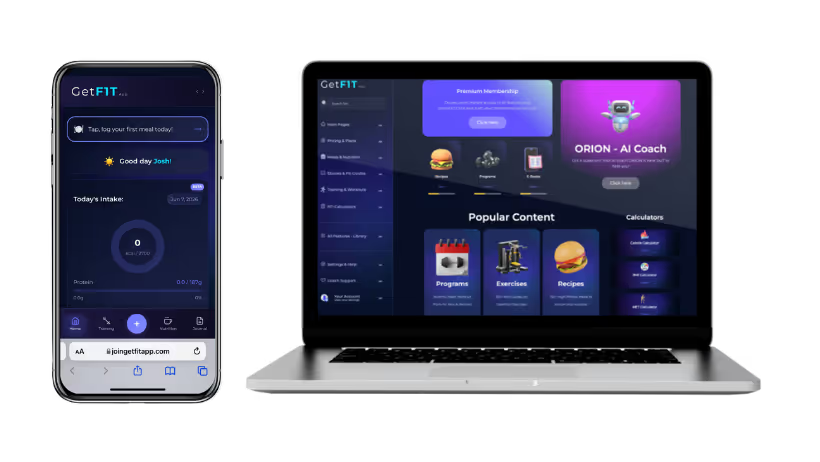
Track your daily calories and macros, log your workouts, monitor your weight and measurements, and see your progress over time. GetFIT App puts everything you need to stay on track in one place.

.webp)
Try GetFIT App for 5 days free!
Discover the premium features of the GetFIT App during a free trial: personalized calorie calculation and tracking, meal plans, recipes, workout programs, e-books, and much more. Start your transformation today!
.webp)
Dear User! Unlock your Dream Body Today!
Start your free trial today! With your premium membership, you’ll get immediate access to all the tools and content that help you lose weight, build muscle, and develop a healthy lifestyle.













































.png)