Protein and Satiety Connection: Why Protein Keeps You Fuller Longer

Protein is the most satiating macronutrient, research shows that a 25-30% protein diet can reduce hunger and daily calorie intake by up to 60%. Protein increases satiety hormones (GLP-1, PYY, CCK) while decreasing ghrelin hunger hormone levels in the brain. Protein empties from the stomach more slowly and takes longer to digest, maintaining the feeling of fullness for hours between meals. Consuming 25-40g protein per meal optimizes satiety and reduces snacking urges, making it easier to maintain a calorie deficit during weight loss.
Scientific explanation of why protein satisfies hunger better than other macros.
How Protein Increases Fullness During Weight Loss
Protein is the most filling macronutrient, making it a valuable part of a successful weight loss diet. Compared to carbohydrates and fats, protein takes longer to digest and helps you feel satisfied for a longer period after eating. This can naturally reduce unnecessary snacking and make maintaining a calorie deficit easier.
Protein also influences hunger-regulating hormones in the body. Higher protein intake supports the release of satiety hormones such as GLP-1, PYY, and CCK, while helping reduce levels of ghrelin, the hormone responsible for increasing hunger signals.
The Ideal Protein Amount for Better Appetite Control
To maximize fullness, aim to include a quality protein source in every meal. For many people, consuming around 25–40 grams of protein per meal provides enough protein to support muscle maintenance and improve appetite control throughout the day.
The exact amount depends on bodyweight, activity level, and total calorie intake. However, consistently spreading protein across multiple meals is often more effective than consuming most of your daily protein in one sitting.
High-Protein Foods That Keep You Full Longer
Choosing protein-rich foods with high nutritional value can make weight loss much easier. Foods such as lean meat, fish, eggs, Greek yogurt, cottage cheese, legumes, and tofu provide protein while helping create more satisfying meals.
Combining protein with fiber-rich foods like vegetables, fruits, and whole grains creates meals that are both filling and balanced. This combination helps control hunger, maintain energy levels, and support long-term consistency during fat loss.
Why does protein satisfy better than carbs or fats?
How much protein should you eat per meal for maximum satiety?
How does protein affect hunger hormones?
Which protein source satisfies the most?
How do you use protein for hunger control during weight loss?
More articles like this


Everything You Need for a Fitter Body is here in GetFIT App!
Set calorie and macro goals, track your meals and activity, follow structured workout and meal plans, and monitor your progress over time. GetFIT App brings nutrition tracking, fitness planning, and everyday tools together in one simple membership.

Join Thousands of GetFIT App Users Worldwide
Thousands of people around the world have already joined GetFIT App to track their nutrition, follow workout programs, and work toward their fitness goals. Join our growing global community and get the tools you need to manage your fitness journey in one place.
Track Your Calories, Macros, Weight, Workout & Progress with GetFIT App!
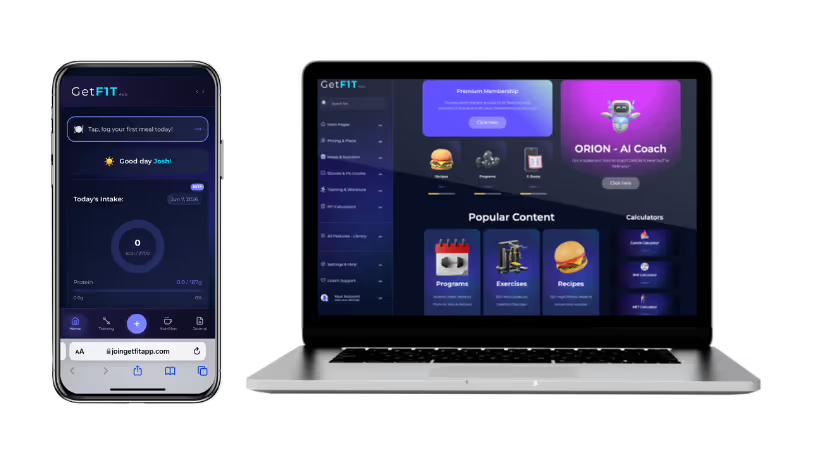
Track your daily calories and macros, log your workouts, monitor your weight and measurements, and see your progress over time. GetFIT App puts everything you need to stay on track in one place.

.webp)
Try GetFIT App for 5 days free!
Discover the premium features of the GetFIT App during a free trial: personalized calorie calculation and tracking, meal plans, recipes, workout programs, e-books, and much more. Start your transformation today!
.webp)
Dear User! Unlock your Dream Body Today!
Start your free trial today! With your premium membership, you’ll get immediate access to all the tools and content that help you lose weight, build muscle, and develop a healthy lifestyle.













































.png)