Plant-Based Proteins: Complete List and Guide for Vegans

Plant-based proteins come from legumes, grains, nuts, seeds, soy products, and plant protein powders. Most plant proteins have incomplete amino acid profiles, so combining different sources is important for complete protein intake. Quinoa, soy, chia seeds, and hemp are exceptions because they have complete amino acid profiles. People following plant-based diets can achieve 1.6-2.2 grams/kg protein intake with conscious planning and varied sources.
Plant-based proteins are complete alternatives to meat and dairy.
Plant-Based Protein Sources for a Balanced Diet
Plant-based proteins can provide enough protein for muscle maintenance, fat loss, and overall health when food choices are planned properly. The best sources include beans, lentils, chickpeas, tofu, tempeh, soy products, quinoa, nuts, seeds, and plant-based protein powders.
Unlike many animal proteins, some plant sources contain lower amounts of certain essential amino acids. This does not make them inferior, but it means variety is important. Eating different protein sources throughout the day helps ensure a complete amino acid intake.
Combining Plant Proteins for Better Results
Combining different plant proteins is a simple way to improve overall protein quality. For example, pairing legumes with grains, such as beans with rice or lentils with whole grains, provides a wider range of essential amino acids.
Some plant foods naturally contain complete protein profiles, including soy, quinoa, hemp seeds, and chia seeds. These options can make reaching daily protein goals easier, especially for people who follow a vegetarian or vegan eating pattern.
Meeting Protein Needs With Plant Foods
Achieving higher protein intake on a plant-based diet requires more attention to food choices and portion sizes. Since some plant foods contain more carbohydrates or fats alongside protein, selecting concentrated sources can help reach daily targets more efficiently.
Including options like tofu, tempeh, legumes, soy products, and plant protein powders can support muscle growth and recovery. Combined with regular strength training and enough total calories, a well-planned plant-based diet can meet the protein needs required for body composition goals.
What are the best plant-based protein sources?
Is plant protein incomplete or complete?
How much plant protein should I eat daily?
Which plant protein powders are best?
How do I combine plant proteins for complete amino acid profile?
More articles like this


Everything You Need for a Fitter Body is here in GetFIT App!
Set calorie and macro goals, track your meals and activity, follow structured workout and meal plans, and monitor your progress over time. GetFIT App brings nutrition tracking, fitness planning, and everyday tools together in one simple membership.

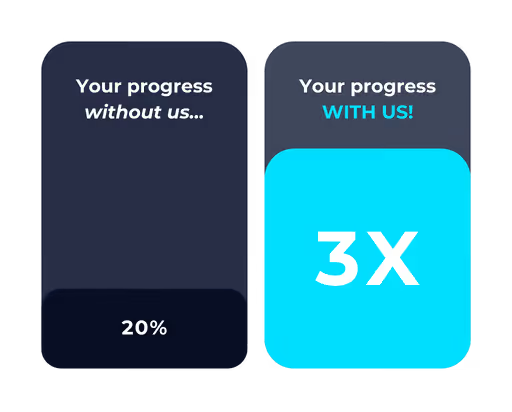
Join Thousands of GetFIT App Users Worldwide
Thousands of people around the world have already joined GetFIT App to track their nutrition, follow workout programs, and work toward their fitness goals. Join our growing global community and get the tools you need to manage your fitness journey in one place.
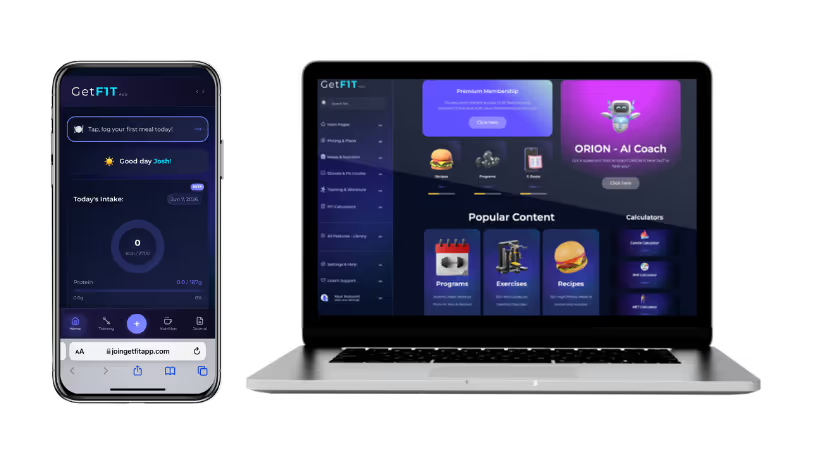
Track Your Calories, Macros, Weight, Workout & Progress with GetFIT App!
Track your daily calories and macros, log your workouts, monitor your weight and measurements, and see your progress over time. GetFIT App puts everything you need to stay on track in one place.

.webp)
Try GetFIT App for 5 days free!
Discover the premium features of the GetFIT App during a free trial: personalized calorie calculation and tracking, meal plans, recipes, workout programs, e-books, and much more. Start your transformation today!
.webp)
Dear User! Unlock your Dream Body Today!
Start your free trial today! With your premium membership, you’ll get immediate access to all the tools and content that help you lose weight, build muscle, and develop a healthy lifestyle.













































.png)