Healthy Diet Planning: Practical Guide for Beginners

The first step in healthy diet planning is calculating daily calorie needs, then determining protein, carbohydrate, and fat ratios. Meal frequency and timing should fit your lifestyle, not the other way around. Planning includes creating shopping lists, meal prep strategy, and flexibility for unexpected situations. The best diet is one you can maintain long-term, not the most perfect on paper.
The key to diet planning is goals, preferences, and sustainability.
Building a Healthy Diet Plan That Fits Your Lifestyle
A successful healthy diet plan starts with understanding your individual calorie needs and creating a structure that supports your goals. The foundation is balancing your daily calories with the right amount of protein, carbohydrates, and fats based on whether you want to lose fat, maintain weight, or build muscle.
Protein should usually be prioritized because it supports muscle maintenance, recovery, and better appetite control. Carbohydrates provide energy for training and daily activity, while healthy fats support hormone production and help make meals more satisfying.
Meal Planning Strategies for Long-Term Success
A good diet plan is not only about choosing healthy foods, but also about making those choices easier to follow. Creating a weekly grocery list, preparing some meals in advance, and keeping simple high-protein options available can reduce the chance of relying on convenient but less nutritious foods.
Meal timing and frequency should match your routine. Some people prefer three larger meals, while others feel better with smaller meals throughout the day. The best approach is the one that helps you consistently reach your nutrition goals without feeling restricted.
Creating a Sustainable Diet Approach
The most effective diet is not the one that looks perfect on paper, but the one you can maintain for months and years. A sustainable plan includes flexibility for social events, busy days, and occasional treats without turning them into setbacks.
Instead of focusing on extreme restrictions, build meals around nutrient-dense foods such as lean proteins, vegetables, fruits, whole grains, legumes, and healthy fats. Consistency, not perfection, is what creates lasting changes in body composition and overall health.
How do I start diet planning from scratch?
How many meals should I eat daily?
How do I plan my week ahead?
What do I do when my diet becomes boring?
How strict do I need to be with my diet?
More articles like this


Everything You Need for a Fitter Body is here in GetFIT App!
Set calorie and macro goals, track your meals and activity, follow structured workout and meal plans, and monitor your progress over time. GetFIT App brings nutrition tracking, fitness planning, and everyday tools together in one simple membership.

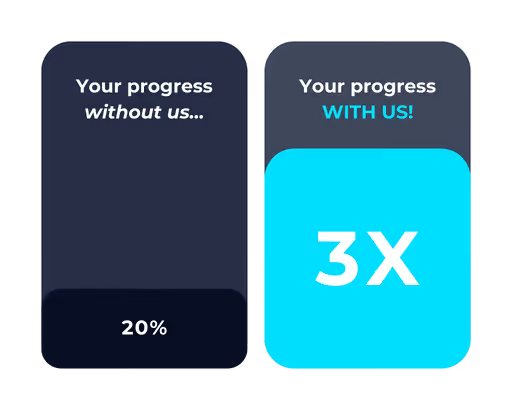
Join Thousands of GetFIT App Users Worldwide
Thousands of people around the world have already joined GetFIT App to track their nutrition, follow workout programs, and work toward their fitness goals. Join our growing global community and get the tools you need to manage your fitness journey in one place.
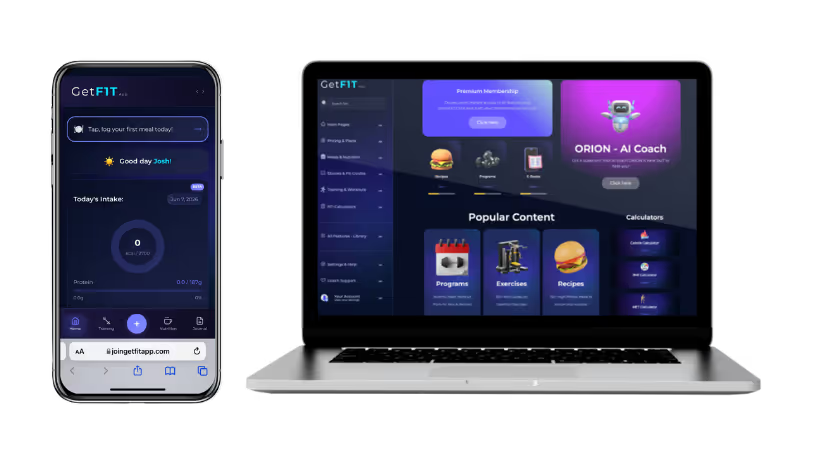
Track Your Calories, Macros, Weight, Workout & Progress with GetFIT App!
Track your daily calories and macros, log your workouts, monitor your weight and measurements, and see your progress over time. GetFIT App puts everything you need to stay on track in one place.

.webp)
Try GetFIT App for 5 days free!
Discover the premium features of the GetFIT App during a free trial: personalized calorie calculation and tracking, meal plans, recipes, workout programs, e-books, and much more. Start your transformation today!
.webp)
Dear User! Unlock your Dream Body Today!
Start your free trial today! With your premium membership, you’ll get immediate access to all the tools and content that help you lose weight, build muscle, and develop a healthy lifestyle.













































.png)