Hunger Hormones: Role of Ghrelin and Leptin in Weight Loss

Ghrelin is the hunger hormone that rises before meals and signals the brain that it's time to eat, while leptin is the satiety hormone that increases after eating and signals that enough food has been consumed. During weight loss, ghrelin levels rise and leptin decreases, causing increased hunger and reduced satiety. This is one of the main reasons dieting is difficult and why there's a tendency to regain weight. Sleep, protein intake, stress management, and slow weight loss can help balance these hormones.
Ghrelin and leptin hormones regulate hunger and satiety.
How Ghrelin and Leptin Control Hunger
Ghrelin and leptin are two hormones that play a major role in regulating appetite, food intake, and body weight management. Ghrelin is often called the hunger hormone because it increases before meals and sends signals to the brain that encourage eating. After consuming food, ghrelin levels usually decrease, reducing the feeling of hunger.
Leptin works in the opposite way. Produced mainly by fat cells, leptin helps signal that enough energy is available and contributes to feelings of fullness after eating. Together, these hormones help your body regulate when to eat and how much energy it needs.
Why Hunger Increases During Weight Loss
When you lose weight, your body naturally tries to defend its previous energy balance. Ghrelin levels can increase, while leptin levels often decrease because there is less stored body fat producing leptin. This hormonal response can make you feel hungrier, less satisfied after meals, and more likely to crave calorie-dense foods.
This does not mean fat loss becomes impossible, but it explains why maintaining a calorie deficit can become more challenging over time. Understanding these changes helps you create better strategies instead of relying only on willpower.
Ways to Support Better Hunger Control
The best approach is to build habits that improve fullness and make a calorie deficit easier to maintain. Eating enough protein, choosing high-fiber foods like vegetables, fruits, legumes, and whole grains, and including foods with high volume can reduce hunger throughout the day.
Getting consistent sleep is also important because poor sleep can disrupt appetite regulation and increase cravings. A slower, sustainable rate of weight loss combined with regular resistance training can help preserve muscle mass and make long-term weight management easier.
What is ghrelin and how does it work?
What is leptin and why is it important for weight loss?
How does sleep affect hunger hormones?
What can I eat for better hormonal balance?
Why am I hungrier during a diet, even if I eat enough?
More articles like this


Everything You Need for a Fitter Body is here in GetFIT App!
Set calorie and macro goals, track your meals and activity, follow structured workout and meal plans, and monitor your progress over time. GetFIT App brings nutrition tracking, fitness planning, and everyday tools together in one simple membership.

Join Thousands of GetFIT App Users Worldwide
Thousands of people around the world have already joined GetFIT App to track their nutrition, follow workout programs, and work toward their fitness goals. Join our growing global community and get the tools you need to manage your fitness journey in one place.
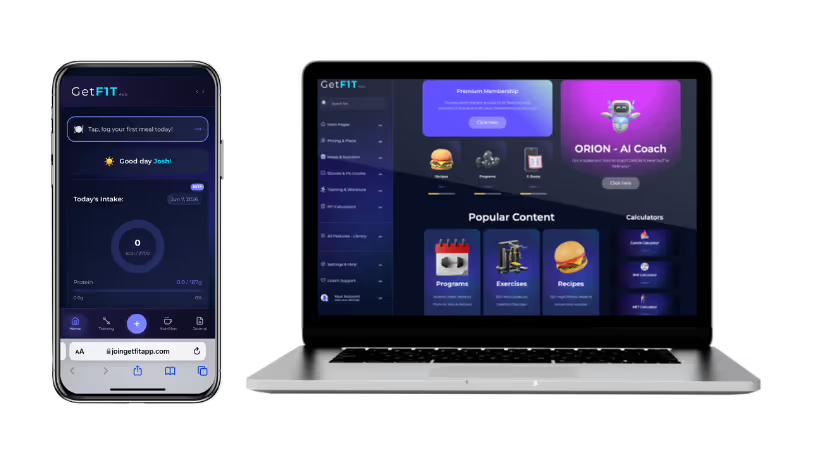
Track Your Calories, Macros, Weight, Workout & Progress with GetFIT App!
Track your daily calories and macros, log your workouts, monitor your weight and measurements, and see your progress over time. GetFIT App puts everything you need to stay on track in one place.

.webp)
Try GetFIT App for 5 days free!
Discover the premium features of the GetFIT App during a free trial: personalized calorie calculation and tracking, meal plans, recipes, workout programs, e-books, and much more. Start your transformation today!
.webp)
Dear User! Unlock your Dream Body Today!
Start your free trial today! With your premium membership, you’ll get immediate access to all the tools and content that help you lose weight, build muscle, and develop a healthy lifestyle.













































.png)