Glycemic Load: What It Is And Why It's Better Than GI Index

Glycemic load (GL) is a metric that considers both carbohydrate quality (glycemic index) and quantity in a serving. GL gives a more accurate picture of blood sugar impact than GI alone because it matters how much you eat. Low GL (0-10) causes minimal blood sugar rise, moderate GL (11-19) has moderate effect, while high GL (20+) results in rapid blood sugar elevation. Prioritizing low glycemic load foods stabilizes blood sugar, reduces hunger, and aids weight loss.
Glycemic load is the combination of portion size and glycemic index.
How Glycemic Load Affects Blood Sugar and Hunger
Glycemic load (GL) measures how much a specific serving of food can raise blood sugar by considering both the quality and quantity of carbohydrates. Unlike glycemic index (GI), which only shows how quickly a carbohydrate source affects blood glucose, glycemic load also accounts for how much of that food you actually eat.
For example, a food may have a high glycemic index but create a smaller blood sugar response if consumed in a small portion. This makes glycemic load a more practical tool when evaluating everyday meals and portion sizes.
Low Glycemic Load Foods for Better Satiety
Foods with a lower glycemic load generally contain more fiber, fewer rapidly digested carbohydrates, or a combination of protein and healthy fats that slows digestion. Examples include vegetables, berries, legumes, oats, sweet potatoes, and whole grains.
These foods release energy more gradually, which can help maintain steadier blood sugar levels and reduce sudden hunger after meals. Combining carbohydrates with protein and fiber is one of the simplest ways to create more balanced meals.
Using Glycemic Load for Weight Management
Choosing mostly low and moderate glycemic load foods can make maintaining a calorie deficit easier because meals are often more filling and provide longer-lasting energy. However, glycemic load alone does not determine whether you gain or lose weight. Total calorie intake remains the main factor controlling changes in body weight.
The most effective approach is focusing on nutrient-dense foods, appropriate portions, and balanced meals that include protein, fiber-rich carbohydrates, and healthy fats. This creates a diet that supports both stable energy levels and long-term consistency.
What's the difference between glycemic index and glycemic load?
Which foods are considered low glycemic load?
How can I reduce the glycemic load of meals?
Does low glycemic load help with weight loss?
When does glycemic load matter less?
More articles like this


Everything You Need for a Fitter Body is here in GetFIT App!
Set calorie and macro goals, track your meals and activity, follow structured workout and meal plans, and monitor your progress over time. GetFIT App brings nutrition tracking, fitness planning, and everyday tools together in one simple membership.

Join Thousands of GetFIT App Users Worldwide
Thousands of people around the world have already joined GetFIT App to track their nutrition, follow workout programs, and work toward their fitness goals. Join our growing global community and get the tools you need to manage your fitness journey in one place.
Track Your Calories, Macros, Weight, Workout & Progress with GetFIT App!
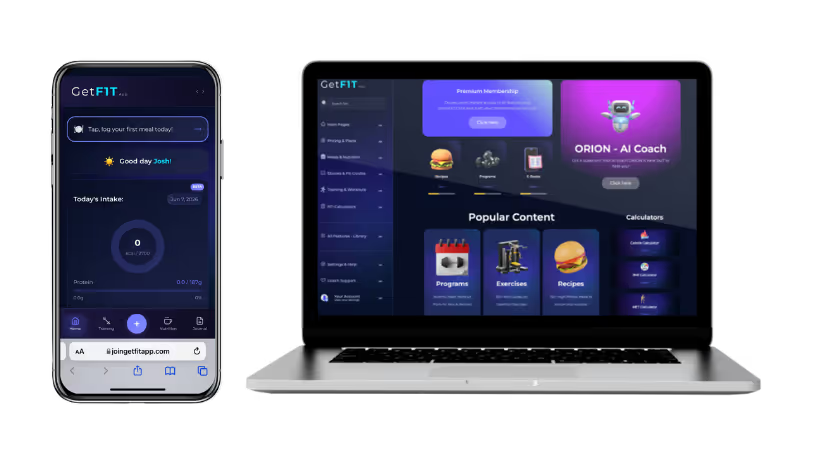
Track your daily calories and macros, log your workouts, monitor your weight and measurements, and see your progress over time. GetFIT App puts everything you need to stay on track in one place.

.webp)
Try GetFIT App for 5 days free!
Discover the premium features of the GetFIT App during a free trial: personalized calorie calculation and tracking, meal plans, recipes, workout programs, e-books, and much more. Start your transformation today!
.webp)
Dear User! Unlock your Dream Body Today!
Start your free trial today! With your premium membership, you’ll get immediate access to all the tools and content that help you lose weight, build muscle, and develop a healthy lifestyle.












































.png)