Glycogen Stores: What It Is, Where It's Stored, and How to Replenish

Glycogen stores represent your body's carbohydrate reserves, primarily stored in muscles and liver as a quick energy source. An average adult stores approximately 400-500 grams of glycogen, with 300-400 grams in muscles and 80-100 grams in the liver. These stores provide energy for intense workouts and are depleted first during exercise. Replenishing glycogen stores happens through carbohydrate intake and is critical for training performance and recovery.
Glycogen is the stored form of carbohydrates in muscles and the liver.
What Glycogen Stores Are
Glycogen stores are the body’s stored form of carbohydrates, which are kept mainly in the muscles and liver. When you eat carbohydrates, your body converts them into glucose and stores the extra energy as glycogen, creating a readily available fuel source for physical activity.
The average adult can store roughly 400–500 grams of glycogen, with most stored in skeletal muscles and a smaller amount stored in the liver. Muscle glycogen is primarily used to fuel movement and exercise, while liver glycogen helps maintain stable blood glucose levels between meals.
How Glycogen Supports Exercise Performance
During training, especially high-intensity activities such as weightlifting, sprinting, and intense cardio, your body relies heavily on glycogen for quick energy. When glycogen levels are high, muscles have access to more fuel, which can support better performance and training quality.
As workouts continue, glycogen stores gradually decrease. Low glycogen availability can contribute to reduced energy, weaker training performance, and a greater feeling of fatigue, especially during demanding exercise sessions.
Replenishing Glycogen After Training
Restoring glycogen levels requires consuming enough carbohydrates after exercise. Carbohydrate-rich foods help refill muscle glycogen stores, which supports recovery and prepares the body for future workouts.
For people who train regularly, especially with frequent or intense sessions, maintaining adequate carbohydrate intake can improve recovery, support performance, and help maintain consistent progress over time. Protein intake alongside carbohydrates can also support muscle repair after training.
What is glycogen and why is it important?
How much glycogen does the body store?
How do glycogen stores get depleted?
How do I replenish glycogen stores?
How does glycogen level affect body weight?
More articles like this


Everything You Need for a Fitter Body is here in GetFIT App!
Set calorie and macro goals, track your meals and activity, follow structured workout and meal plans, and monitor your progress over time. GetFIT App brings nutrition tracking, fitness planning, and everyday tools together in one simple membership.

Join Thousands of GetFIT App Users Worldwide
Thousands of people around the world have already joined GetFIT App to track their nutrition, follow workout programs, and work toward their fitness goals. Join our growing global community and get the tools you need to manage your fitness journey in one place.
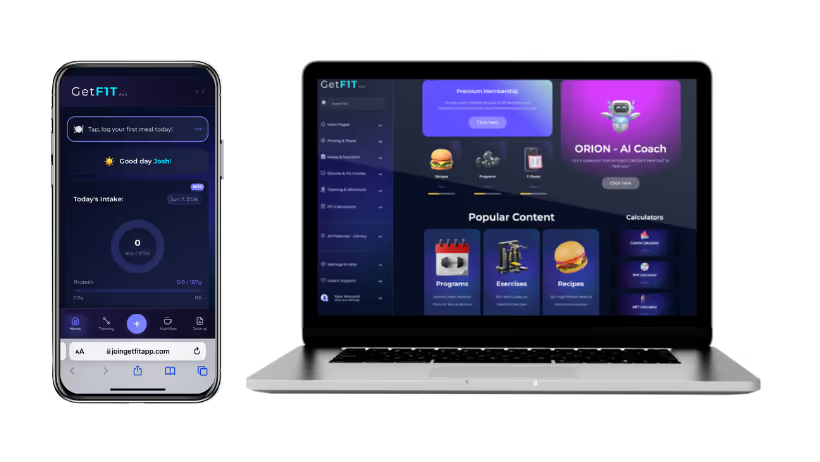
Track Your Calories, Macros, Weight, Workout & Progress with GetFIT App!
Track your daily calories and macros, log your workouts, monitor your weight and measurements, and see your progress over time. GetFIT App puts everything you need to stay on track in one place.

.webp)
Try GetFIT App for 5 days free!
Discover the premium features of the GetFIT App during a free trial: personalized calorie calculation and tracking, meal plans, recipes, workout programs, e-books, and much more. Start your transformation today!
.webp)
Dear User! Unlock your Dream Body Today!
Start your free trial today! With your premium membership, you’ll get immediate access to all the tools and content that help you lose weight, build muscle, and develop a healthy lifestyle.













































.png)