Muscle Recovery: How Long It Takes and How to Speed It Up

Muscle recovery is the process when muscle fibers damaged during training repair and strengthen, which is the foundation of muscle building. Full recovery typically takes 24-72 hours, but depends on training intensity, the muscle groups involved, and individual conditioning. Adequate protein intake, sleep, hydration, and active rest are crucial for fast and effective recovery. Neglecting recovery leads to overtraining, performance decline, and injury risk.
Muscle recovery is the repair and strengthening of muscles after training.
What Muscle Recovery Means
Muscle recovery is the process your body uses to repair and strengthen muscle tissue after exercise. During resistance training, small amounts of damage occur in muscle fibers, and the recovery process allows them to rebuild and adapt, which is how muscles become stronger over time.
Recovery is not just about resting after a workout. It also depends on proper nutrition, sleep quality, hydration, and managing training stress. These factors work together to support muscle repair and improve future performance.
How Long Muscle Recovery Takes
The time needed for muscle recovery varies depending on workout intensity, training volume, the muscle groups trained, and your individual fitness level. For many people, a muscle group typically needs around 24–72 hours to fully recover after a challenging workout.
Larger muscle groups such as the legs and back may require more recovery time after intense sessions, while smaller muscle groups may recover faster. Listening to your body and adjusting training frequency can help maintain consistent progress.
Supporting Better Muscle Recovery
Adequate protein intake provides the amino acids needed for muscle repair, while quality sleep supports many of the processes involved in recovery and adaptation. Staying hydrated and maintaining sufficient calorie intake also help your body perform and recover effectively.
Active recovery methods, such as light walking, mobility work, or low-intensity activities, can support blood flow and reduce stiffness without adding significant stress. Prioritizing recovery helps prevent performance drops, excessive fatigue, and setbacks caused by insufficient rest.
What happens to muscles during recovery?
How much rest do different muscle groups need?
What should I eat for faster muscle recovery?
How does sleep affect muscle recovery?
What are the best active recovery methods?
More articles like this


Everything You Need for a Fitter Body is here in GetFIT App!
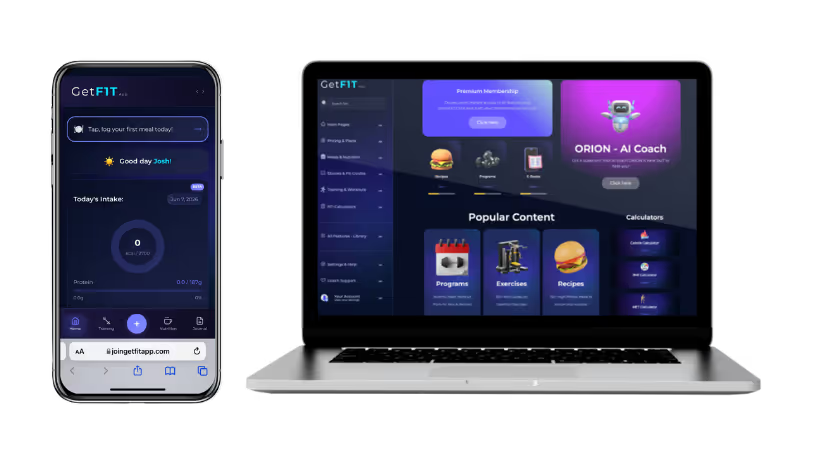
Set calorie and macro goals, track your meals and activity, follow structured workout and meal plans, and monitor your progress over time. GetFIT App brings nutrition tracking, fitness planning, and everyday tools together in one simple membership.

Join Thousands of GetFIT App Users Worldwide
Thousands of people around the world have already joined GetFIT App to track their nutrition, follow workout programs, and work toward their fitness goals. Join our growing global community and get the tools you need to manage your fitness journey in one place.
Track Your Calories, Macros, Weight, Workout & Progress with GetFIT App!
Track your daily calories and macros, log your workouts, monitor your weight and measurements, and see your progress over time. GetFIT App puts everything you need to stay on track in one place.

.webp)
Try GetFIT App for 5 days free!
Discover the premium features of the GetFIT App during a free trial: personalized calorie calculation and tracking, meal plans, recipes, workout programs, e-books, and much more. Start your transformation today!
.webp)
Dear User! Unlock your Dream Body Today!
Start your free trial today! With your premium membership, you’ll get immediate access to all the tools and content that help you lose weight, build muscle, and develop a healthy lifestyle.













































.png)