Protein Intake per Pound of Bodyweight – How Much Protein Do You Need?

Protein intake per pound of bodyweight helps determine your daily protein needs accurately. For fat loss, 0.7–1.0 g per lb is commonly recommended, while muscle gain usually requires 0.8–1.1 g per lb. Adequate protein supports muscle retention, satiety, and recovery. The exact amount depends on activity level, calorie intake, and individual goals.
Learn exactly how much protein you should eat per pound of bodyweight based on your goal.
Protein Intake Per Pound of Bodyweight for Fat Loss and Muscle Gain
Calculating protein intake based on bodyweight is one of the simplest ways to make sure your diet supports your goal. For fat loss, most people benefit from around 0.7–1.0 grams of protein per pound of bodyweight daily, while those focused on building muscle may need closer to 0.8–1.1 grams per pound.
Protein plays a key role beyond muscle growth. It helps preserve lean muscle during a calorie deficit, improves fullness after meals, and supports recovery after strength training. This makes it easier to stay consistent with your nutrition plan without constantly feeling hungry.
How Much Protein You Need Depends on Your Goal
Your ideal protein intake depends on factors such as your training routine, calorie intake, body composition, and overall goal. During weight loss, higher protein intake becomes especially important because eating fewer calories increases the risk of losing muscle if protein intake is too low.
For muscle gain, protein should be paired with a structured resistance training program and a controlled calorie surplus. Eating excessive amounts of protein alone will not build more muscle if your workouts and total calorie intake are not supporting growth.
The Best Way to Reach Your Daily Protein Target
Meeting your protein goal is easier when you spread your intake across several meals instead of trying to consume a large amount at once. Including a quality protein source in each meal helps improve satiety and supports muscle repair throughout the day.
Simple protein-rich foods such as chicken, fish, eggs, Greek yogurt, cottage cheese, lean beef, beans, and tofu can make reaching your daily target much easier. The most effective approach is choosing foods and meal habits that you can maintain consistently over time.
What's the ideal protein intake per pound of bodyweight for fat loss?
How much protein per pound of bodyweight for muscle gain?
Should protein be calculated from total bodyweight or lean mass?
What happens if protein intake is too low?
How to calculate your daily protein needs easily?
More articles like this


Everything You Need for a Fitter Body is here in GetFIT App!
Set calorie and macro goals, track your meals and activity, follow structured workout and meal plans, and monitor your progress over time. GetFIT App brings nutrition tracking, fitness planning, and everyday tools together in one simple membership.

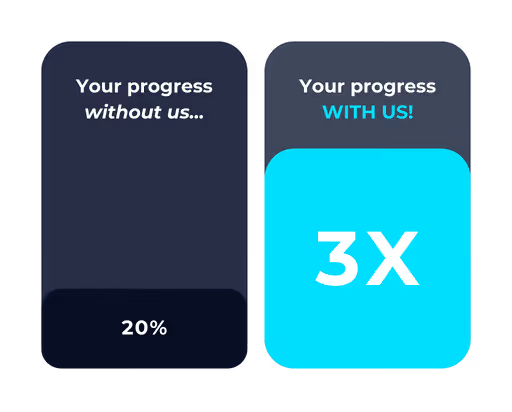
Join Thousands of GetFIT App Users Worldwide
Thousands of people around the world have already joined GetFIT App to track their nutrition, follow workout programs, and work toward their fitness goals. Join our growing global community and get the tools you need to manage your fitness journey in one place.
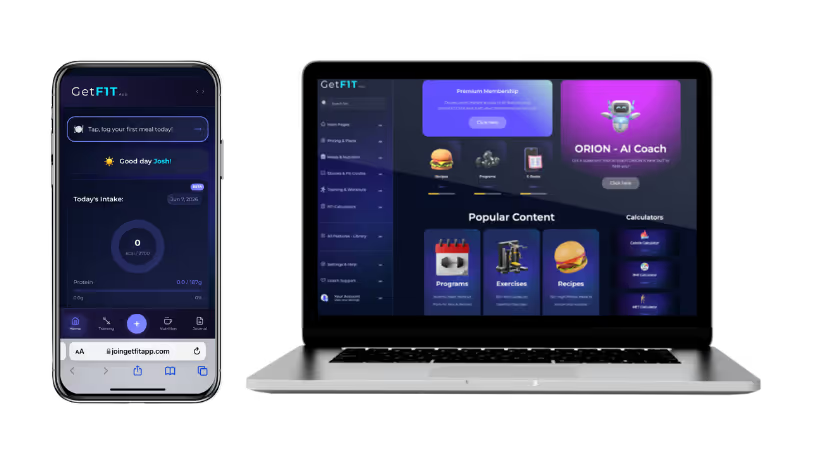
Track Your Calories, Macros, Weight, Workout & Progress with GetFIT App!
Track your daily calories and macros, log your workouts, monitor your weight and measurements, and see your progress over time. GetFIT App puts everything you need to stay on track in one place.

.webp)
Try GetFIT App for 5 days free!
Discover the premium features of the GetFIT App during a free trial: personalized calorie calculation and tracking, meal plans, recipes, workout programs, e-books, and much more. Start your transformation today!
.webp)
Dear User! Unlock your Dream Body Today!
Start your free trial today! With your premium membership, you’ll get immediate access to all the tools and content that help you lose weight, build muscle, and develop a healthy lifestyle.













































.png)