Calorie Intake Control: Practical Methods for Successful Fat Loss

Calorie intake control means consciously tracking and regulating the energy content of consumed foods and drinks for weight management. Successful control includes calorie counting, monitoring portion sizes, and applying strategies that make maintaining a deficit easier. Choosing low calorie density foods helps fill the stomach with few calories, delaying hunger. Without accurate calorie intake control, achieving lasting fat loss is nearly impossible because it's easy to underestimate actual intake.
Conscious monitoring and regulation of calorie intake is the foundation of fat loss.
What Calorie Intake Control Means
Calorie intake control is the process of being aware of how much energy you consume from food and drinks each day. Since body weight changes are influenced by the balance between calories consumed and calories burned, understanding your intake is an important part of managing fat loss or muscle-building goals.
Effective calorie control does not always mean strict restriction. It involves creating awareness around portion sizes, food choices, and eating habits so you can make adjustments that support your goals while still maintaining a balanced lifestyle.
Strategies for Managing Daily Calorie Intake
Tracking calories, measuring portions, and paying attention to food labels are practical methods for understanding your actual intake. Many people underestimate how much they eat, especially when consuming calorie-dense foods, snacks, or larger portions.
Choosing foods with lower calorie density can also make calorie control easier. Foods such as vegetables, fruits, potatoes, lean proteins, soups, and whole grains provide more volume and fullness compared to smaller portions of high-calorie foods.
Building Sustainable Calorie Control Habits
Long-term calorie management works best when it becomes a consistent habit rather than a short-term restriction. Planning meals, prioritizing protein, and including high-fiber foods can help reduce hunger and make it easier to stay within your calorie target.
Accurate calorie awareness provides a clearer picture of your nutrition and allows you to make informed adjustments. Whether the goal is fat loss, weight maintenance, or muscle growth, controlling energy intake is a key part of achieving measurable progress.
Why is controlling calorie intake important?
How can calorie intake be measured accurately?
What strategies help control calorie intake?
What are the most common mistakes in calorie control?
How can calorie intake control be maintained long-term?
More articles like this


Everything You Need for a Fitter Body is here in GetFIT App!
Set calorie and macro goals, track your meals and activity, follow structured workout and meal plans, and monitor your progress over time. GetFIT App brings nutrition tracking, fitness planning, and everyday tools together in one simple membership.

Join Thousands of GetFIT App Users Worldwide
Thousands of people around the world have already joined GetFIT App to track their nutrition, follow workout programs, and work toward their fitness goals. Join our growing global community and get the tools you need to manage your fitness journey in one place.
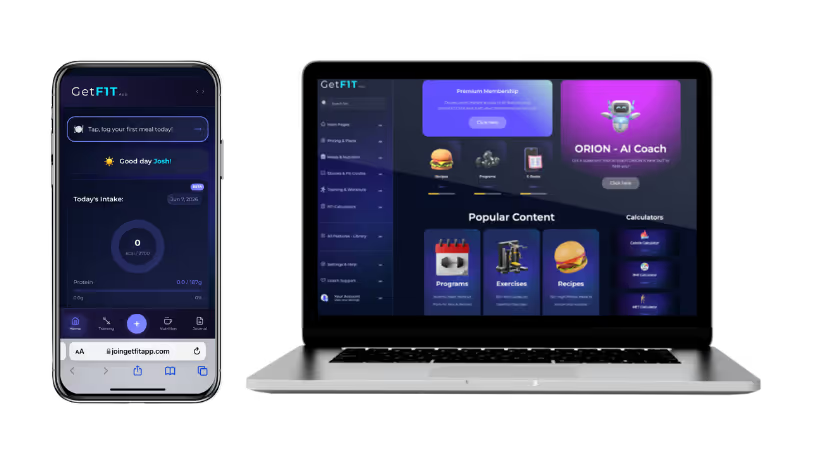
Track Your Calories, Macros, Weight, Workout & Progress with GetFIT App!
Track your daily calories and macros, log your workouts, monitor your weight and measurements, and see your progress over time. GetFIT App puts everything you need to stay on track in one place.

.webp)
Try GetFIT App for 5 days free!
Discover the premium features of the GetFIT App during a free trial: personalized calorie calculation and tracking, meal plans, recipes, workout programs, e-books, and much more. Start your transformation today!
.webp)
Dear User! Unlock your Dream Body Today!
Start your free trial today! With your premium membership, you’ll get immediate access to all the tools and content that help you lose weight, build muscle, and develop a healthy lifestyle.













































.png)