Pumpkin seeds are one of the most nutrient-dense foods you can add to your diet. They provide magnesium, zinc, healthy fats, fiber, and plant-based protein in a small serving, making them an easy way to improve the nutritional quality of your meals. Because they're calorie-dense, enjoying them in measured portions allows you to get the benefits without unintentionally consuming too many calories.

When people think about improving their nutrition, they usually focus on eating more vegetables, choosing lean protein, or replacing refined grains with whole grains.
Those changes certainly matter.
But some of the biggest improvements can come from surprisingly small foods.
Pumpkin seeds are a perfect example.
Despite their small size, they contain an impressive combination of vitamins, minerals, healthy fats, fiber, and plant-based protein that can significantly improve the nutritional value of everyday meals.
Whether your goal is losing fat, building muscle, supporting your health, or simply eating a more balanced diet, pumpkin seeds are an ingredient worth keeping in your kitchen.
Nutrition density refers to how many beneficial nutrients a food provides relative to its serving size and calorie content.
Pumpkin seeds perform exceptionally well in this regard.
A relatively small serving provides meaningful amounts of:
Rather than dramatically changing your diet, simply adding nutrient-rich ingredients like pumpkin seeds can steadily improve your overall nutrient intake over time.
Magnesium is involved in more than 300 enzymatic reactions throughout the body.
Despite its importance, many adults fail to consume enough magnesium through their daily diet.
This mineral contributes to:
For physically active people, adequate magnesium intake supports normal muscle and nerve function, making magnesium-rich foods valuable additions to a balanced nutrition plan.
Pumpkin seeds are among the richest natural food sources of magnesium.
Pumpkin seeds are also naturally rich in zinc.
Zinc contributes to many important physiological functions, including:
No single food can provide every nutrient your body needs.
However, regularly eating a variety of nutrient-dense foods helps reduce the likelihood of nutritional gaps.
Many people still associate dietary fat with unhealthy eating.
In reality, the type of fat matters far more than simply avoiding fat altogether.
Pumpkin seeds contain predominantly unsaturated fats, which play important roles in a healthy diet.
These fats help:
Including moderate amounts of healthy fats often makes nutritious meals more enjoyable and easier to sustain over time.
Although pumpkin seeds should not replace complete protein sources such as meat, fish, eggs, dairy products, or protein supplements, they still contribute useful amounts of plant protein.
Adding pumpkin seeds can increase both the protein content and the nutritional value of meals such as:
While each serving contributes only a modest amount of protein, these small additions become meaningful when repeated consistently.
Pumpkin seeds also provide dietary fiber.
Fiber plays several important roles, including:
When fiber, healthy fats, and protein are combined in one food, the result is often a more satisfying snack or meal.
That is one reason pumpkin seeds work so well as a topping for many different dishes.
Despite all of their nutritional benefits, pumpkin seeds are relatively calorie-dense.
Most of those calories come from their healthy fat content.
That is not a disadvantage.
Healthy fats are an important part of a balanced diet.
However, if your goal is fat loss, portion control still matters.
A measured serving is usually enough to enjoy the nutritional benefits without unintentionally adding several hundred extra calories to your day.
Eating directly from a large bag can easily turn one serving into three or four.
Many common toppings add plenty of calories but very little nutrition.
Examples include:
Pumpkin seeds provide a much more nutritious alternative.
They add crunch, texture, healthy fats, minerals, and plant protein while helping meals stay closer to whole-food choices.
Small substitutions like this can gradually improve the quality of your diet without making healthy eating feel restrictive.
Pumpkin seeds require almost no preparation and fit easily into many meals.
Try adding them to:
Their mild, slightly nutty flavor works equally well in both sweet and savory recipes.
The Bottom Line :
Pumpkin seeds prove that some of the healthiest foods come in very small packages.
They provide magnesium, zinc, healthy fats, fiber, plant-based protein, and several other important minerals that contribute to a balanced diet. While they are naturally calorie-dense, enjoying them in sensible portions makes them an excellent addition to meals that support fat loss, muscle growth, athletic performance, and overall health.
Healthy eating is often built on small improvements repeated consistently.
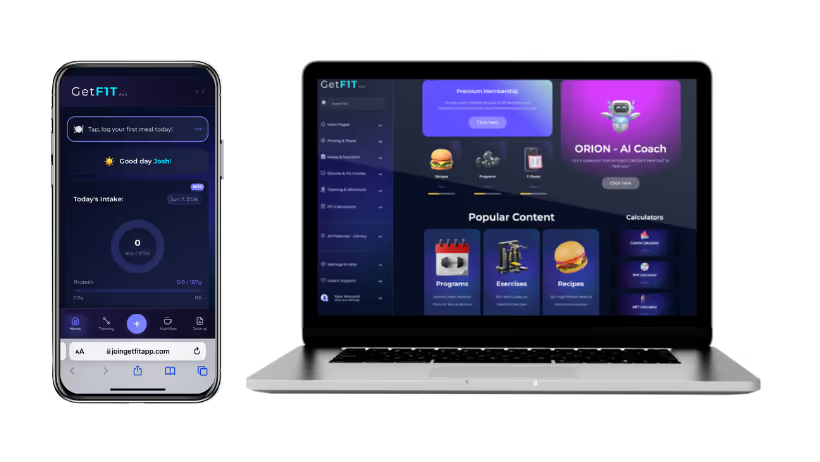
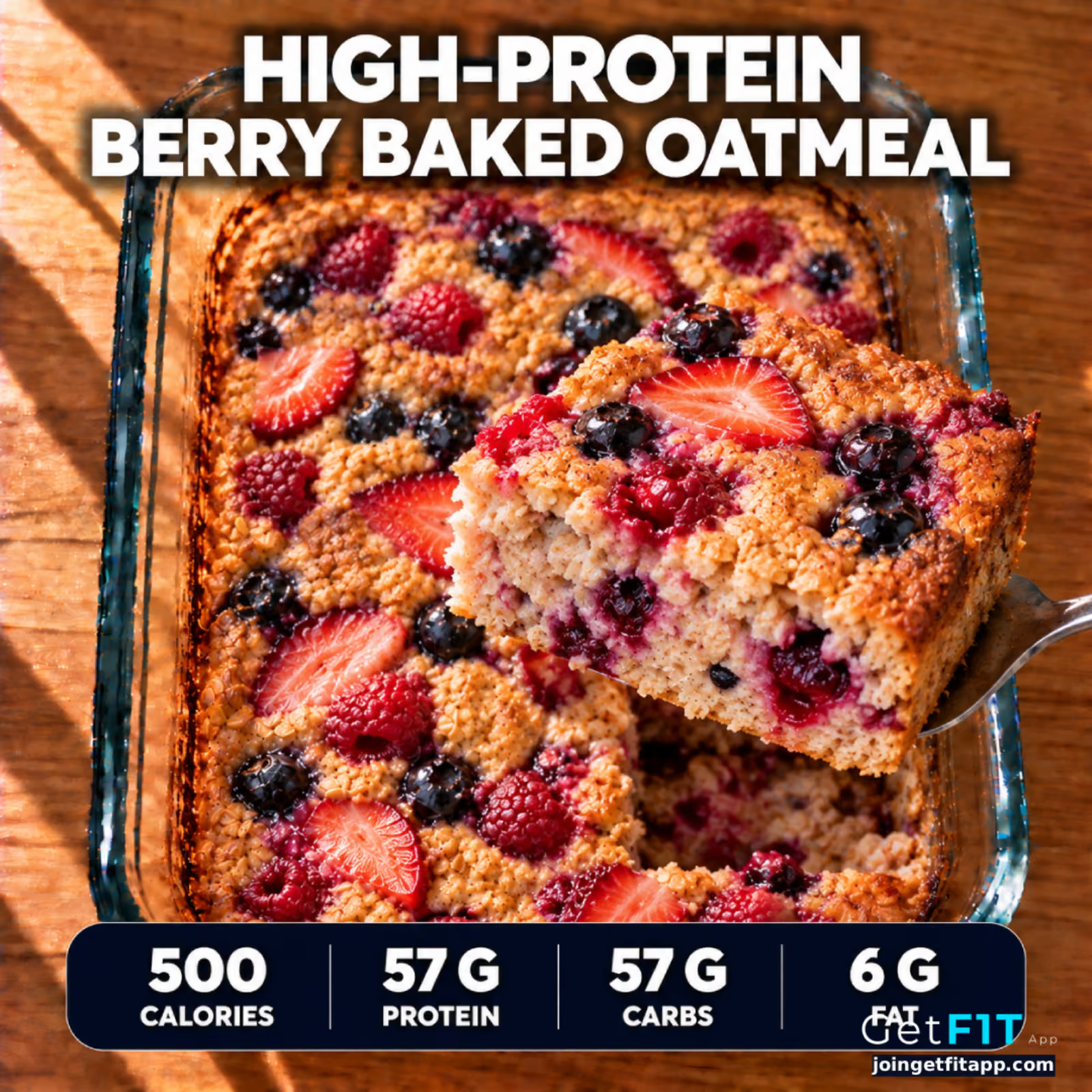
GetFIT App helps simplify those choices by bringing your nutrition and training together in one place. Inside the platform, you'll find personalized calorie and macro targets, structured meal plans, hundreds of high-protein recipes, workout programs, grocery lists, calorie and body weight tracking tools, and practical fitness guides that make building healthier habits easier every day.



Set calorie and macro goals, track your meals and activity, follow structured workout and meal plans, and monitor your progress over time. GetFIT App brings nutrition tracking, fitness planning, and everyday tools together in one simple membership.
Thousands of people around the world have already joined GetFIT App to track their nutrition, follow workout programs, and work toward their fitness goals. Join our growing global community and get the tools you need to manage your fitness journey in one place.
Track your daily calories and macros, log your workouts, monitor your weight and measurements, and see your progress over time. GetFIT App puts everything you need to stay on track in one place.

.webp)
Discover the premium features of the GetFIT App during a free trial: personalized calorie calculation and tracking, meal plans, recipes, workout programs, e-books, and much more. Start your transformation today!
.webp)
Start your free trial today! With your premium membership, you’ll get immediate access to all the tools and content that help you lose weight, build muscle, and develop a healthy lifestyle.











.avif)


.avif)


.avif)


.avif)















































.png)