Replacing fruit juice with whole fruit is one of the easiest ways to improve your diet without giving up the natural sweetness and nutrients that fruit provides. Whole fruit contains fiber, takes longer to eat, and helps you stay full for longer, making it much easier to manage hunger and calorie intake. While fruit juice can occasionally fit into a healthy diet, whole fruit is usually the better choice for fat loss, appetite control, and overall health.

Fruit has sometimes been unfairly criticized because it contains natural sugar.
However, whole fruit is consistently associated with healthier dietary patterns and is one of the most nutrient-dense foods you can include in your daily diet.
The real difference isn't the fruit itself.
It's whether you eat the fruit whole or drink it as juice.
Although fruit juice still contains vitamins and minerals, the juicing process removes much of the fiber that makes whole fruit so filling. As a result, it's much easier to consume more calories in a short period without feeling satisfied.
The biggest nutritional difference between whole fruit and fruit juice is fiber.
During juicing, most of the insoluble fiber and much of the fruit's natural structure are removed.
Fiber provides several important benefits:
Without fiber, fruit juice passes through the digestive system much faster and usually doesn't provide the same level of satiety.
Calories consumed as drinks are often less satisfying than calories from solid foods.
Think about orange juice.
A single large glass may contain the juice of four or five oranges.
Most people could drink that in just a few minutes.
Eating four or five whole oranges, on the other hand, would take much longer and would leave most people feeling comfortably full before finishing.
Chewing, peeling, and eating whole fruit naturally slows down eating, giving your brain more time to recognize fullness.
Choosing whole fruit doesn't mean sacrificing nutrition.
Whole fruits provide valuable nutrients including:
Many fruits contain nearly the same vitamins and minerals as their juices while also providing the additional benefits of fiber and greater satiety.
One of the biggest challenges during fat loss is managing hunger.
Whole fruit naturally helps because it combines two characteristics that increase fullness:
Together, these increase the volume of food without dramatically increasing calorie intake.
Some of the best fruits for satisfying hunger include:
These fruits satisfy sweet cravings while fitting easily into a calorie-controlled eating plan.
When you're craving something sweet, whole fruit is often a much better choice than:
You still enjoy natural sweetness while also getting fiber, vitamins, minerals, and antioxidants that support overall health.
Small substitutions like this are much easier to maintain than trying to eliminate sweet foods completely.
Although fruit is healthy on its own, combining it with protein creates a more balanced snack.
Great combinations include:
A satisfying combination of fiber and high-quality protein.
Rich in protein, calcium, antioxidants, and probiotics.
Provides carbohydrates, healthy fats, and protein.
A refreshing, high-protein snack that's easy to prepare.
Combines fiber with healthy fats for excellent satiety.
These combinations slow digestion even further and help reduce hunger between meals.
Many people worry about the natural sugar found in fruit.
However, whole fruit is very different from foods that contain large amounts of added sugar.
The natural sugars in fruit are packaged together with fiber, water, vitamins, minerals, and antioxidants.
Current research consistently shows that eating whole fruit is associated with good health and does not appear to promote weight gain when consumed as part of a balanced diet.
For most people, eating more whole fruit is far more beneficial than avoiding it.
Fruit juice isn't automatically unhealthy.
There are situations where it can be useful.
For example:
However, for the average person trying to lose body fat or improve appetite control, whole fruit is usually the more satisfying and practical option.
The goal isn't to eliminate juice completely.
It's to make whole fruit your everyday choice most of the time.
Long-term nutrition success rarely comes from one dramatic change.
Instead, it's built from small decisions repeated every day.
Choosing whole fruit instead of fruit juice is one of the easiest habits to adopt because it improves satiety, increases fiber intake, and naturally reduces the likelihood of drinking large amounts of calories.
These simple choices become meaningful over months and years.
Whole fruit is almost always a better choice than fruit juice for people trying to lose fat, manage hunger, or improve the quality of their diet. The combination of fiber, water, vitamins, minerals, and natural sweetness makes whole fruit one of the healthiest snacks available.
Fruit juice can still fit into a balanced diet occasionally, particularly around prolonged exercise or when rapid carbohydrate intake is needed. But for everyday nutrition, choosing whole fruit is one of the simplest habits you can build to support long-term health and body composition.
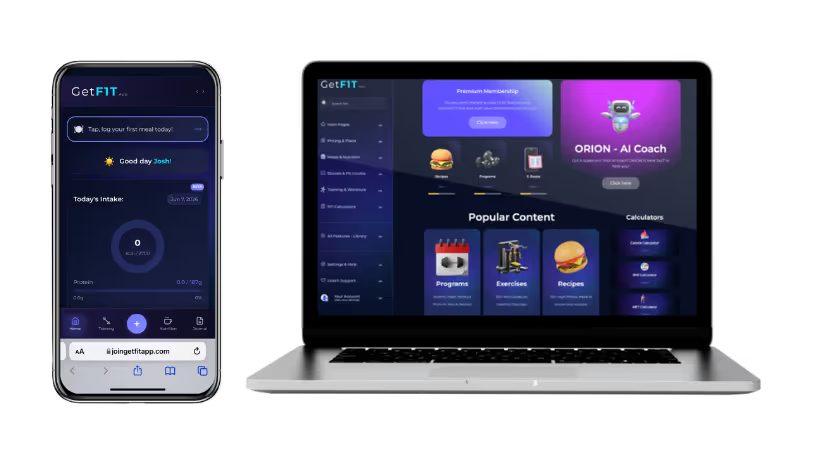
If you're looking for more than individual nutrition tips, GetFIT App provides personalized calorie and macro targets, hundreds of high-protein recipes, structured meal plans, grocery lists, workout programs, progress tracking, and evidence-based fitness guides to help you build healthier habits that last. Whether your goal is fat loss, muscle growth, or improving your overall nutrition, GetFIT App gives you the tools to stay consistent.



Set calorie and macro goals, track your meals and activity, follow structured workout and meal plans, and monitor your progress over time. GetFIT App brings nutrition tracking, fitness planning, and everyday tools together in one simple membership.
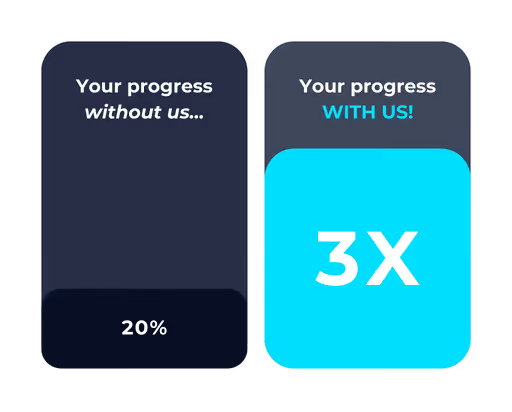
Thousands of people around the world have already joined GetFIT App to track their nutrition, follow workout programs, and work toward their fitness goals. Join our growing global community and get the tools you need to manage your fitness journey in one place.
Track your daily calories and macros, log your workouts, monitor your weight and measurements, and see your progress over time. GetFIT App puts everything you need to stay on track in one place.

.webp)
Discover the premium features of the GetFIT App during a free trial: personalized calorie calculation and tracking, meal plans, recipes, workout programs, e-books, and much more. Start your transformation today!
.webp)
Start your free trial today! With your premium membership, you’ll get immediate access to all the tools and content that help you lose weight, build muscle, and develop a healthy lifestyle.






%20%20(PREMIUM)%20(49).avif)





.avif)


.avif)



.avif)


.avif)















































.png)